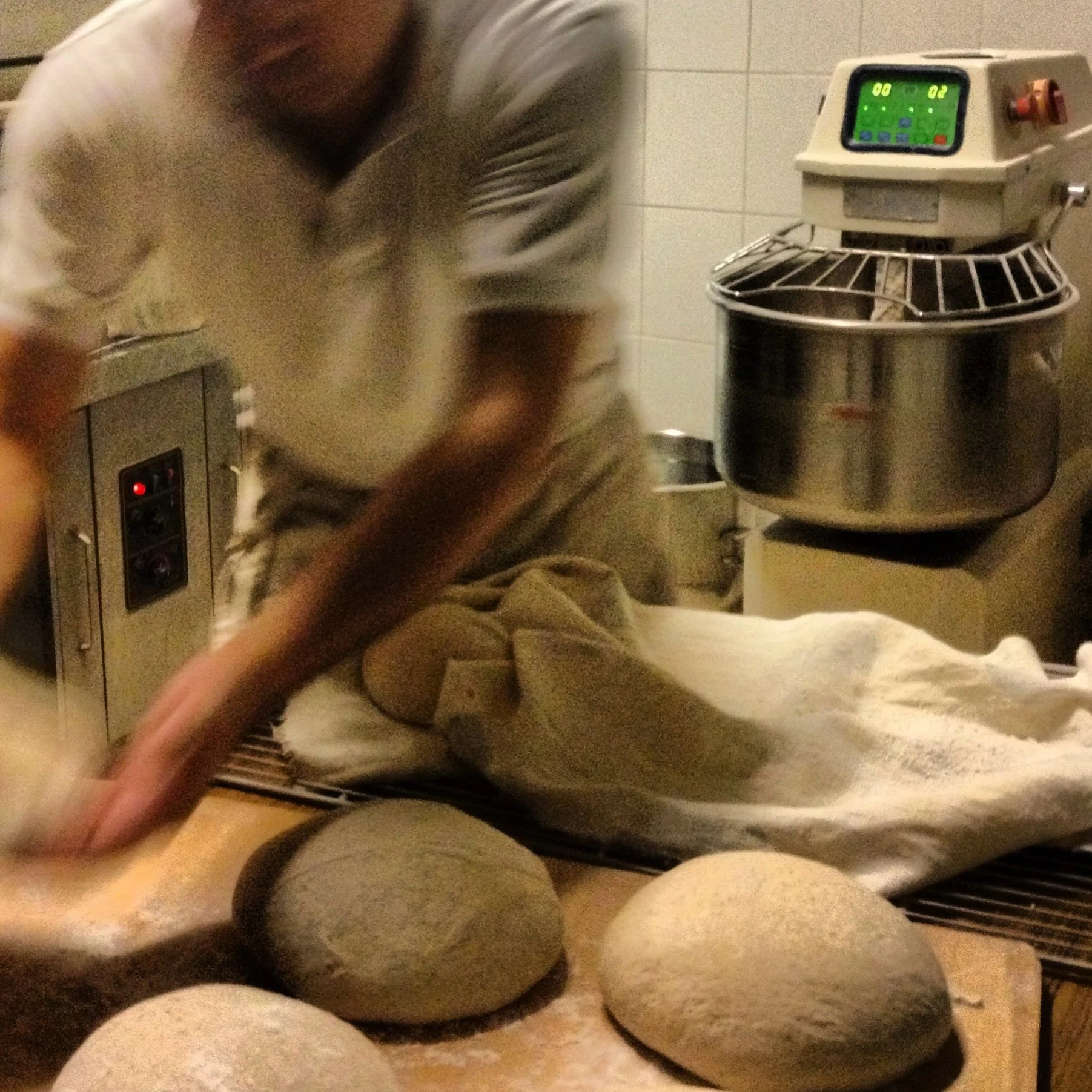
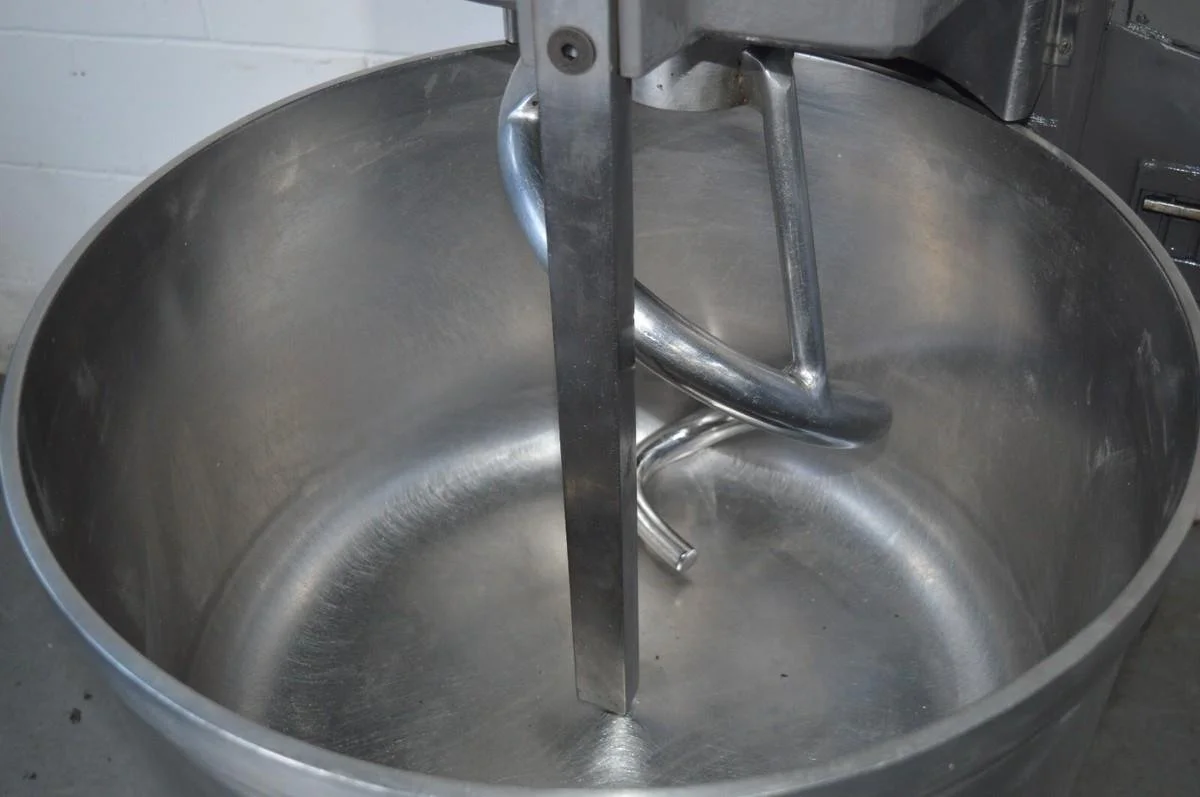
The Spiral Mixer: Why We Must Stop Torturing All Bread Dough
Many bakers are familiar with the spiral mixer (pétrin à spirale), but now, here’s my take on it!
For too long, the industry has taught us that the spiral mixer is the ultimate tool for efficiency. But my perspective—honed through professional training in France and years of practice—is that the spiral mixer is not suitable for any baker who wants to truly honour the bread. This isn't just about sourdough; it applies to every dough we touch.
The Invention of a "Fix"
I remember clearly when I was studying bread making in Paris. They handed us a chart that classified mixing into three strict categories: Vitesse Lente (Slow), Amélioré (Improved), and Intensifié (Intensive). As I looked at those requirements for speeds and times, I started asking myself: What is the purpose of this? Why did we invent machines specifically to teach us how to strengthen gluten through mechanical force?
The truth is, we didn't build these machines to imitate the intuitive touch of human hands. We built them to aggravate and torture the dough. Because this mechanical violence shreds the gluten structure, the industry introduced another "fix": bread improvers and conditioners. We use chemicals to "protect" the dough from the machine and other chemicals to "relax" it afterward. We have become dependent on a "fix" rather than honoring the grain itself.
The Absurdity of "Build and Relax"
In the modern system, we spend immense mechanical energy to aggressively build and strengthen the gluten. Then, because the dough is too stressed and tight to be shaped, we are forced to place it in a controlled environment to "relax" or denature.
It is a logical absurdity. Why spend so much effort to "torture" the dough into a state of high tension, only to spend more time, energy, and chemicals waiting for that tension to dissolve? If we didn't subject our dough to such machines in the first place, we wouldn't need these conditioners or these recovery periods.
Nature’s Revenge: The Gluten Connection
There is a deeper cost to this dependency. The rise of intensive kneading and chemical additives correlates directly with the modern rise in gluten intolerance. By forcing the protein structure into a state it was never meant to reach, we have harmed the nature of the grain. When you harm nature, nature eventually harms you back. We have traded digestibility and health for mechanical volume. I believe the way we treat the dough in the mixer directly impacts how that dough treats our bodies.
The Philosophy of Restraint
In my bakery, I have let go of the spiral mixers for almost 10 years, and the obsession with "temperature controlled environments." Instead, I use a planetary mixer solely for the “frasage”—the gentle, initial marriage of flour and water.
Once the flour is hydrated, we stop. We do not "strengthen" the gluten by force; I let the dough "pick itself up" through the natural process of “autolyse” and fermentation. By stepping back, we allow time to be used for flavour and natural maturation, rather than as a recovery period for a tortured dough.
A Message for Our Society
Although we are not in France, my training there allowed me to see through this mechanical facade. My mission is to translate these lessons for our society so that we do not blindly follow a system that is no longer valid.
Many bakers today are dependent on mechanical and chemical "fixes." It is time to break that cycle. We must stop being slaves to the machine and the lab. It is time to stop torturing our dough, stop fighting nature, and start truly honouring the bread again.